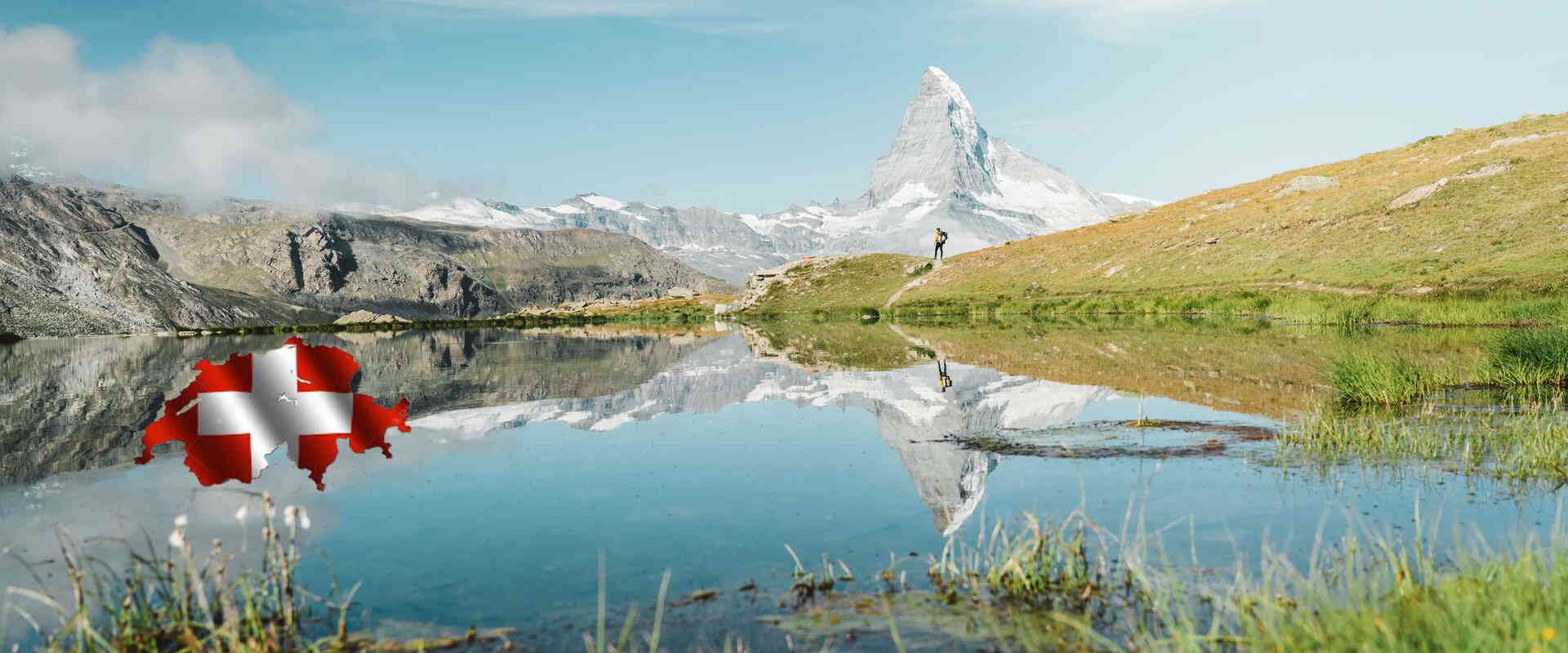
Switzerland is a paradise for fly fishing. The majestic Swiss alpine landscape, where snow-capped peaks rise into the blue sky, is one of the most idyllic destinations for fly fishing. Its streams, rivers, and lakes are home to exceptional populations of brown trout, rainbow trout, brook trout, and grayling. Would you like to go fly fishing in the land of chocolate?

Guided Fly Fishing Trip
Base in XXXX: Fishing in the best private waters of Swiss in the heart of the Alps.
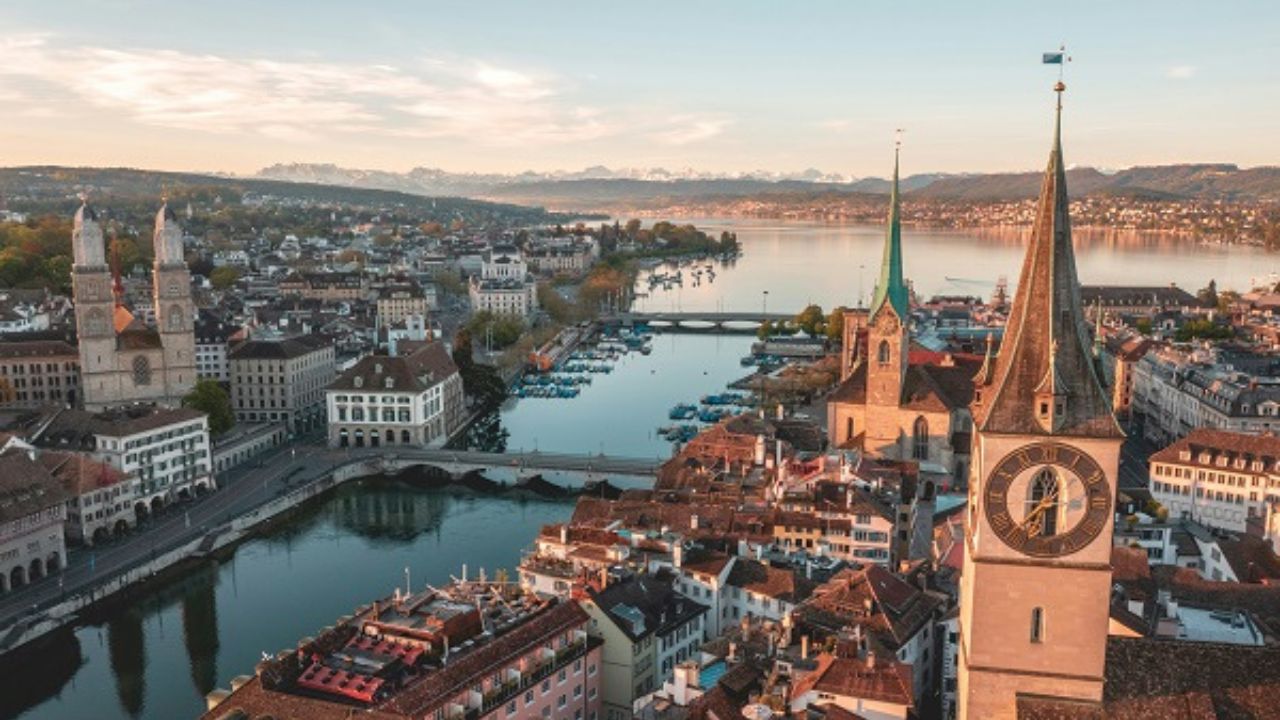
Full – Day Guided Fly Fishing Trip
Base in Zurich: Guided fly fishing with transfer service from your hotel in the city of Zurich.
Switzerland, a paradise for fly fishing, has remained hidden to anglers worldwide. The main reason is the lack of tradition in this type of fishing. Until recently, fishing in Switzerland was simply a supplement for family sustenance. Worm or lure fishing was the most common, providing fresh food for households. It wasn’t considered a sport but rather a deep-rooted tradition. The idea that fishing could be a source of socioeconomic development or a quality tourist attraction had not been contemplated.
However, thanks to social media, new Swiss generations are discovering fly fishing, and more and more people are practicing it. Companies like Alps Fly Fish have trained the first fishing guides in Switzerland, attracting more tourists who are amazed by both the fishing and the country’s breathtaking landscapes.
It’s interesting to note that many tourists have heard of fishing in the Pyrenees (Spain), Italy, Ireland, and the United Kingdom, but never in Switzerland. If you’re a fly fishing enthusiast who appreciates the beauty of natural environments, Switzerland is the ideal destination. Furthermore, your visit will contribute to valuing fishing as an activity that goes hand in hand with nature conservation and will help both institutions and private actors see this tourism as an opportunity for rural development in these beautiful mountains.
The main reasons we recommend fly fishing in Switzerland are as follows:
The trout fishing season in Switzerland begins on March 16th and ends on September 30th. Additionally, in some rivers, fishing is only allowed on Mondays, Wednesdays, and Saturdays.
If your intention is to come fishing in Switzerland, we recommend you come during the summer months, when the cold weather and thaw have ended. We’re talking about June, July, August, and September. During these months, the rivers regain their crystal-clear color and teem with life, flowing through spectacular landscapes adorned with blooming alpine flowers. The surroundings are lush green, and it’s the time to spot deer, marmots, and a multitude of birds.
You should consider that Switzerland’s highest peaks, such as the Dufourspitze (4,634 m) in the Monte Rosa massif, exceed 4,500 meters, so the months of March and April are often too early for good fly fishing. The water remains very cold, with a grayish color due to mountain thawing, and fishing can be challenging except in some lakes and rivers far from the high mountains.
But if your intention is to fish all year round, in Switzerland, you can fly fish for other species such as pike, chub, or barbel.
If you want to fish legally in Switzerland, either you study a master’s degree for it, or our conclusion is that you should contact a fishing guide who will take care of all the bureaucratic procedures. The reasons are as follows:
If your goal is to organize a fly fishing trip in Switzerland on your own and purchase licenses and permits from home before departing, I regret to inform you that it’s not possible.
If your goal is to go fly fishing in Switzerland without prior planning and you have plenty of time, it’s feasible in some cantons. You can buy the license at local shops, town halls, owners of private waters, or at the environmental department.
It’s important to mention that in many waters, it’s necessary to pass a fishing exam before obtaining the fishing license. This only applies in certain cantons and river sections.
Many foreign anglers are accustomed to a single national license that is purchased online, but in Switzerland, the process is very different. Switzerland has 26 cantons, each with its own parliament and fishing laws. In total, there are 28 different fishing laws, as in addition to cantonal laws, some large lakes are regulated by federal laws. This can be very complicated for anglers who don’t hire a fishing guide in Switzerland.
Each canton has its own rules. Additionally, Switzerland has five different languages spoken, making finding this information online a very arduous task. In some cantons, you can obtain the license online, in others at town halls, shops, or environmental offices.
The cost of fishing licenses in a canton varies between 25 and 110 Swiss francs per week. Additionally, there are private and public waters. Some only require the fishing license, others require a fishing permit, and in some, both are needed. Private waters have independent prices and are not regulated by cantonal regulations. The price of fishing in public waters is regulated by the river fishing regulations of each canton.
The best rivers for fly fishing in Switzerland include:
Additionally, Riffelsee Lake is an excellent spot for fly fishing.
The animal protection regulation approved in Switzerland in 2009 has hindered the development of fishing tourism in the country. The influence of animal rights activists during the review of the federal fishing law in the same year led to the prohibition of catch and release (C&R). These activists argued that fish should only experience the stress of being caught once, as multiple captures could be harmful to their well-being.
According to this regulation, fishing is only allowed for consumption purposes, excluding recreational fishing where fish are returned to the water. Catch and release fishing is strictly prohibited by law, which may seem surreal but is a reality.
However, there are legal loopholes and exceptions that allow acting according to our conscience, enabling the catch and release of fish back into the environment. There are always ways to justify the situation, such as claiming that the fish slipped out of our hands, to avoid any issues with fishing authorities or the police.
At Alps Fly Fish, we believe that fishing tourism should be the tool to raise awareness and value fly fishing as a vehicle for conserving trout populations and to achieve future regulatory changes that allow catch and release fishing throughout the country.